
On a recent six-week trip to Spain, Portugal, and Morocco, I realized after a few days that it was mostly about the food for me. I looked forward to every meal, even when hunger didn’t drive me. Most places started with bread and butter, and I never left a crumb behind. Each course promised something new—fresh flavors, surprising textures, and a little art on the plate. Above all, I wanted to dine like a local and to taste Barcelona.
Taste Barcelona
Here’s my first-hand experience on a walking food and drink tour of Barcelona.
Eating Europe hosted me. All opinions are my own.
Barcelona Side Streets Tapas & Wine Tour
Barcelona feeds you history with every bite. Walking through the Gothic Quarter, El Born, and Barceloneta during Eating Europe’s Tapas & Wine Tour, I follow Petra, our local guide, who links food to Roman, Visigoth, Moorish, and Latin influences. Snacks and sips quickly become a fast, delicious history lesson in her hands.
Plaça de la Mercè – Our Meeting Place
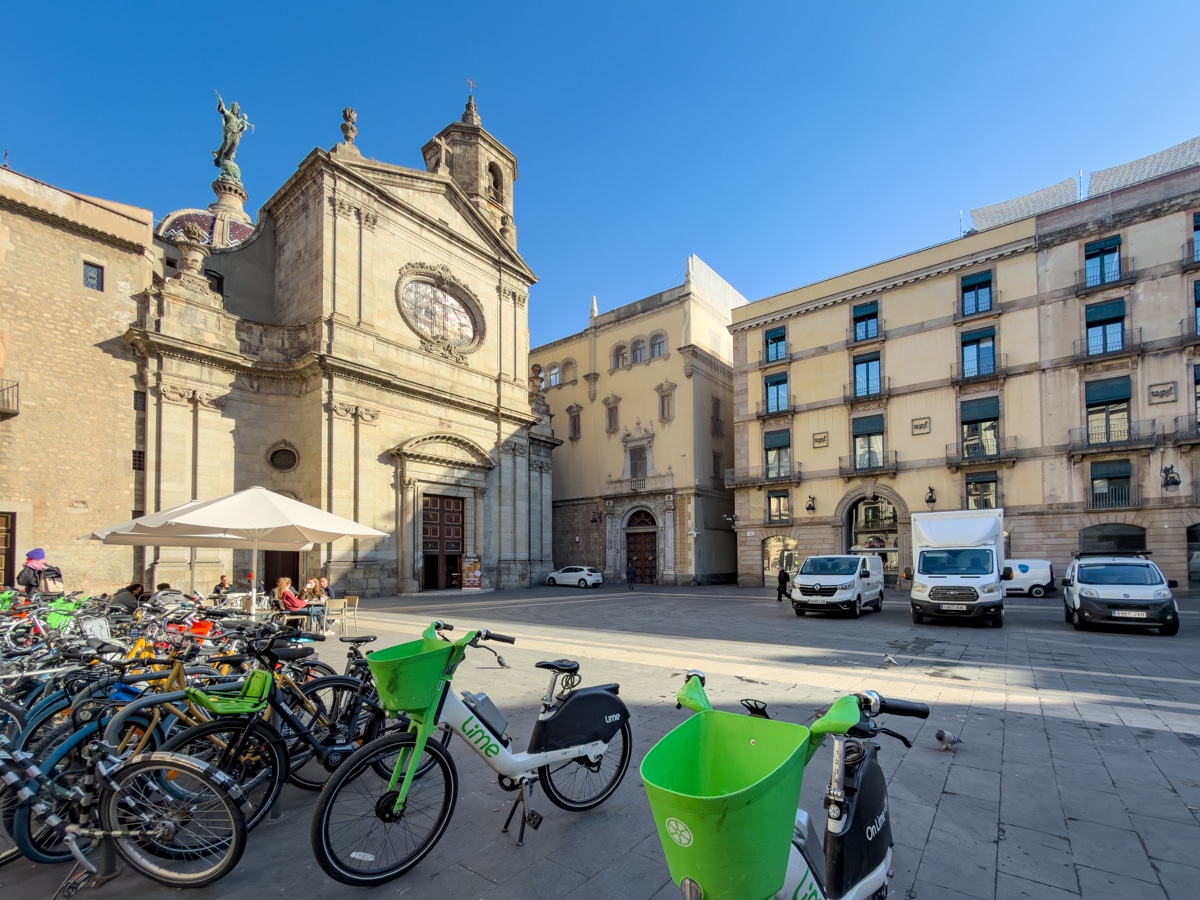
At Plaça de la Mercè, I find Petra with our group by the Basilica. The square feels homey: bikes wait for riders, diners relax under umbrellas, and locals cross the plaza on errands.
Petra sets a relaxed and friendly tone right away. She paces it for real humans, which my short legs especially appreciate.
How Eating Europe Began
Kenny Dunn, an American entrepreneur and the founder of Eating Europe, wanted one simple thing. To show visitors his favorite bars, restaurants, and people, as he would for friends and family. He started offering tours in 2011, then built Eating Europe around that “show you my city” approach.
You feel that point of view during the entire tour. Each stop serves a purpose, and each story aligns with the plate in front of you.
The Neighborhoods We Walk
Gothic Quarter: Where Barcelona Begins
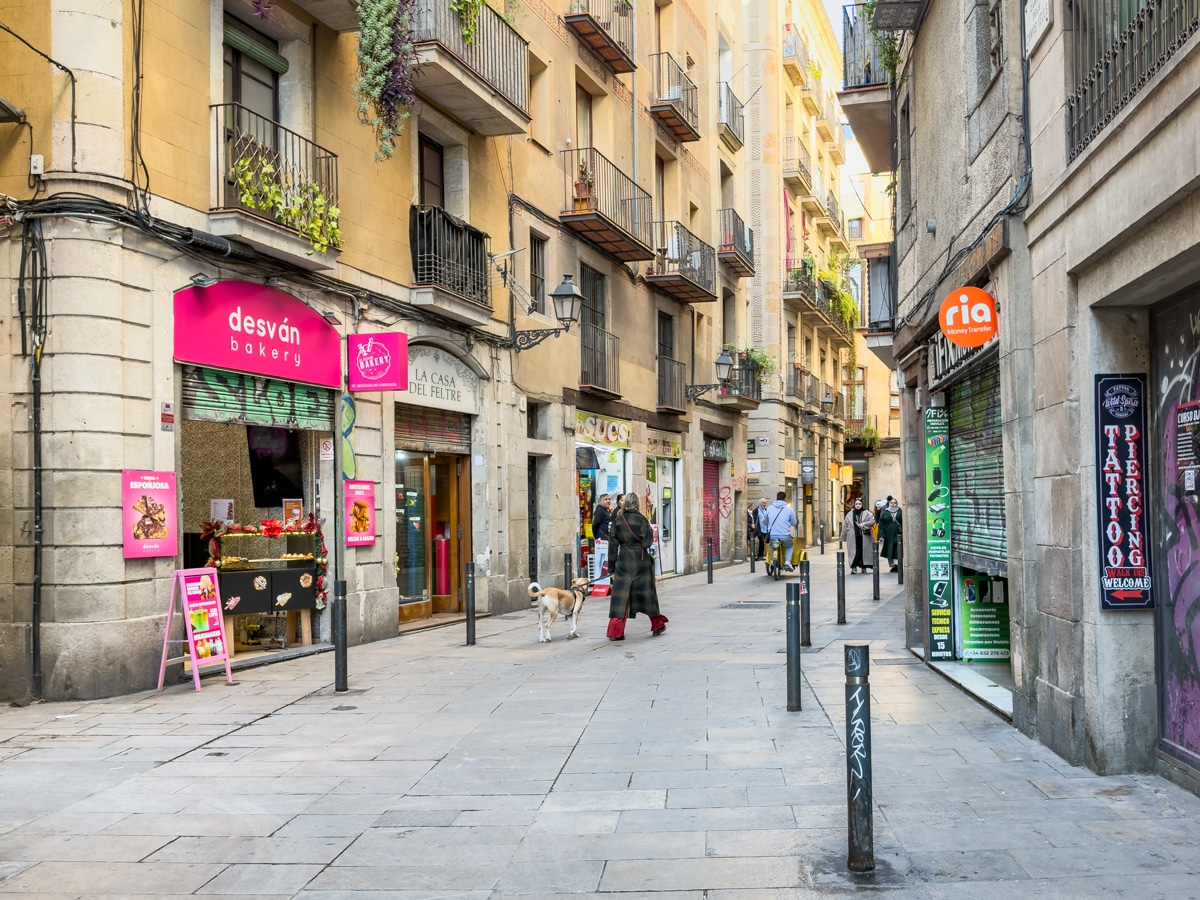
Barcelona began as a Roman settlement about 2,000 years ago. The city grew outward from this compact, walled core. Petra uses food to anchor the history:
- Romans spread wine culture and olive oil across their empire.
- Visigothic influence brings domestic pigs and curing methods that later shape jamón culture.
- Moorish influence introduces citrus, almonds, honey, and rice, key building blocks for Spanish and Catalan cooking.
- After 1492, ingredients like tomatoes and potatoes arrived from the Americas, dramatically reshaping everyday local dishes.
The streets twist and fold like a maze, so you keep your eyes moving and your curiosity awake.
El Born: Crafts, Palaces, and a Church Built by Locals

We cross Via Laietana, the border between the Gothic Quarter and El Born, and pause at a grand building with “post and telegraph” on the façade. Barcelona’s main post office is here, with statues and symbols of communication on its roofline.
A few blocks later, Petra shows us old street names that tell you what workers did there:
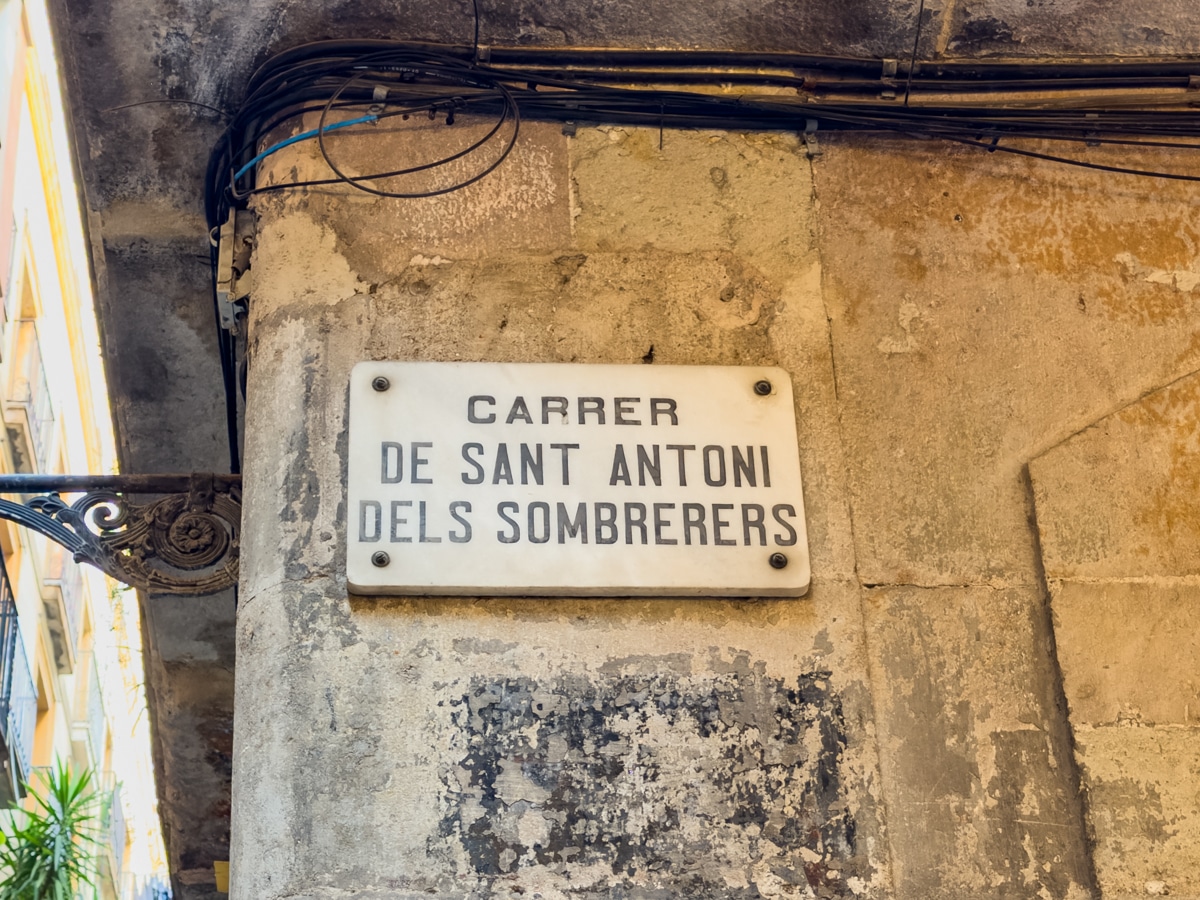
- Carrer de la Sombrerers: hat makers
- “Old baths” streets: fabric and leather treatment (think dye vats and tannery work)

Then El Born delivers its showstopper:
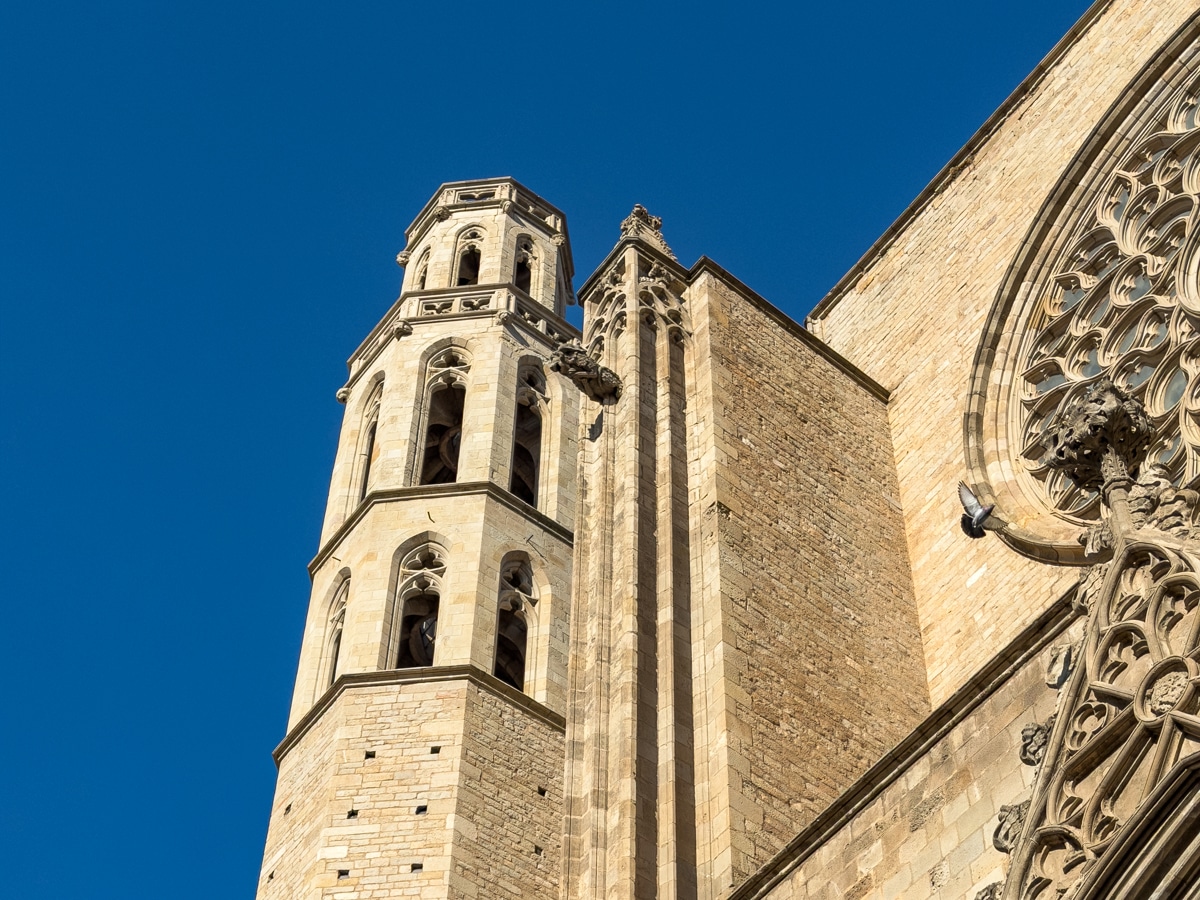
- The Basilica of Santa Maria del Mar rises in the 14th-century Gothic style, with pointed arches and a bold rose window.
- Local merchants donated money. Working people donated labor.
- Fishermen carry Montjuïc stone into the city to help build the church, a detail you can still spot carved near the doors.
Petra also points out palaces now home to galleries and museums; some linked to the Picasso Museum. She notes “Born” comes from an old word for jousting, since tournaments were once held here.
Barceloneta: Waterfront Flavor With a Backstory
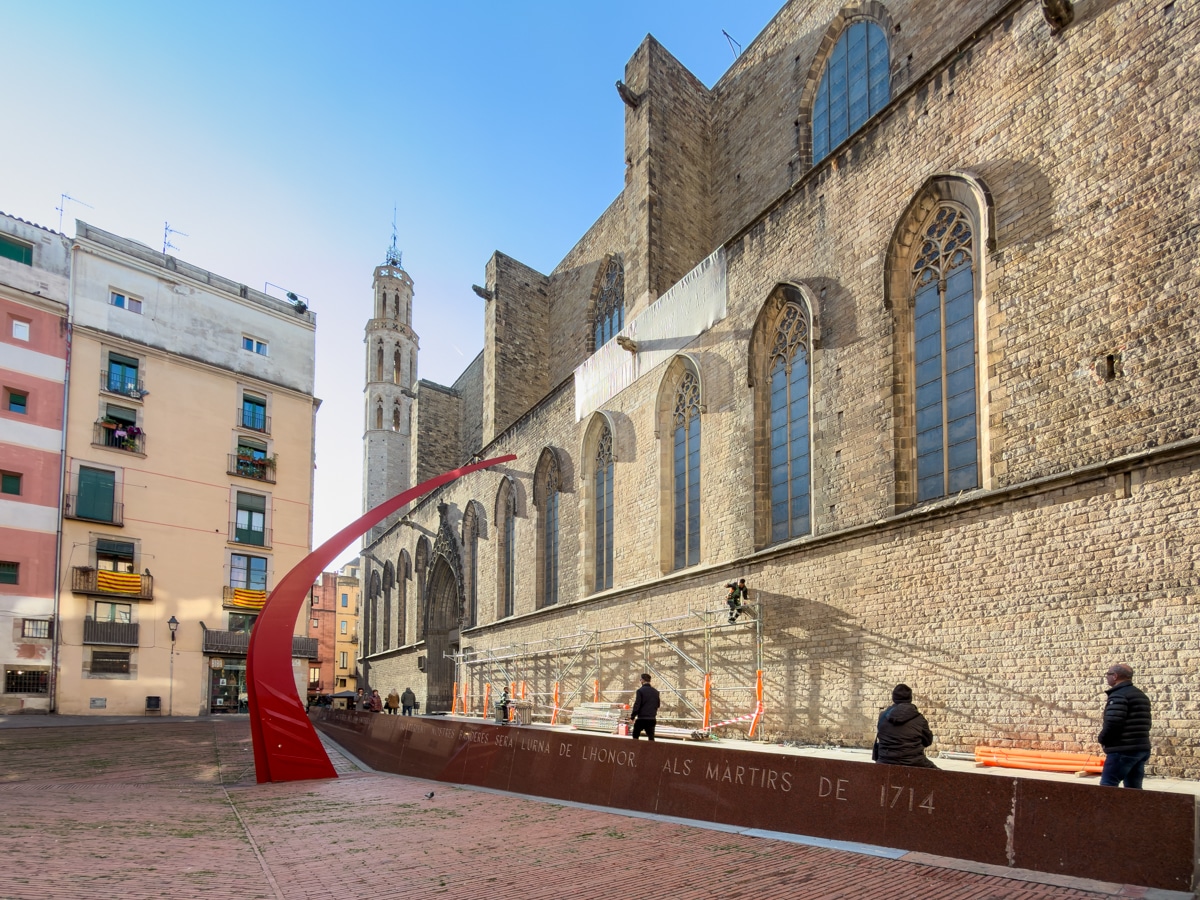
As we head toward the water, Petra connects Barceloneta to Catalan history. She explains the 1714 siege and the way Catalans honor that loss today. A memorial marks soldiers who fought in Barcelona’s final battle of the War of Spanish Succession. Red bricks signal blood and resistance, and later generations use that same red paint on homes as a subtle protest.
From there, the city opens toward the port. The mood changes with the sea air, and the food turns heartier.
What We Eat: Signature Bites With Locals To Taste Barcelona
This tour keeps portions small and flavor big. I snack like a local and learn why each bite matters.
Pan con Tomate and a Breakfast-style Start
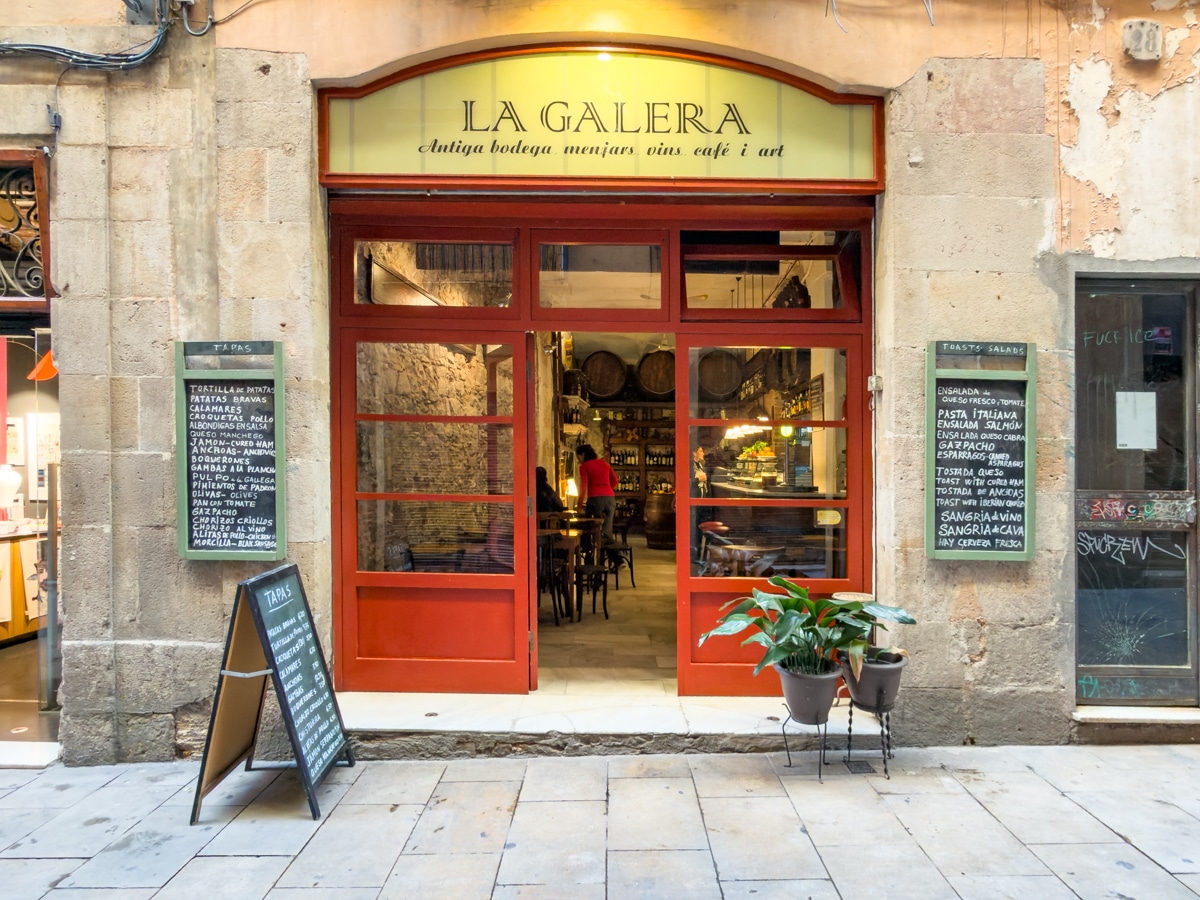
We begin at La Galera in Ciutat Vella with pa amb tomàquet: toasted bread rubbed with tomato, finished with olive oil and salt. Locals eat it for breakfast, sometimes with coffee and whatever comes next—cheese, anchovies, or jamón.
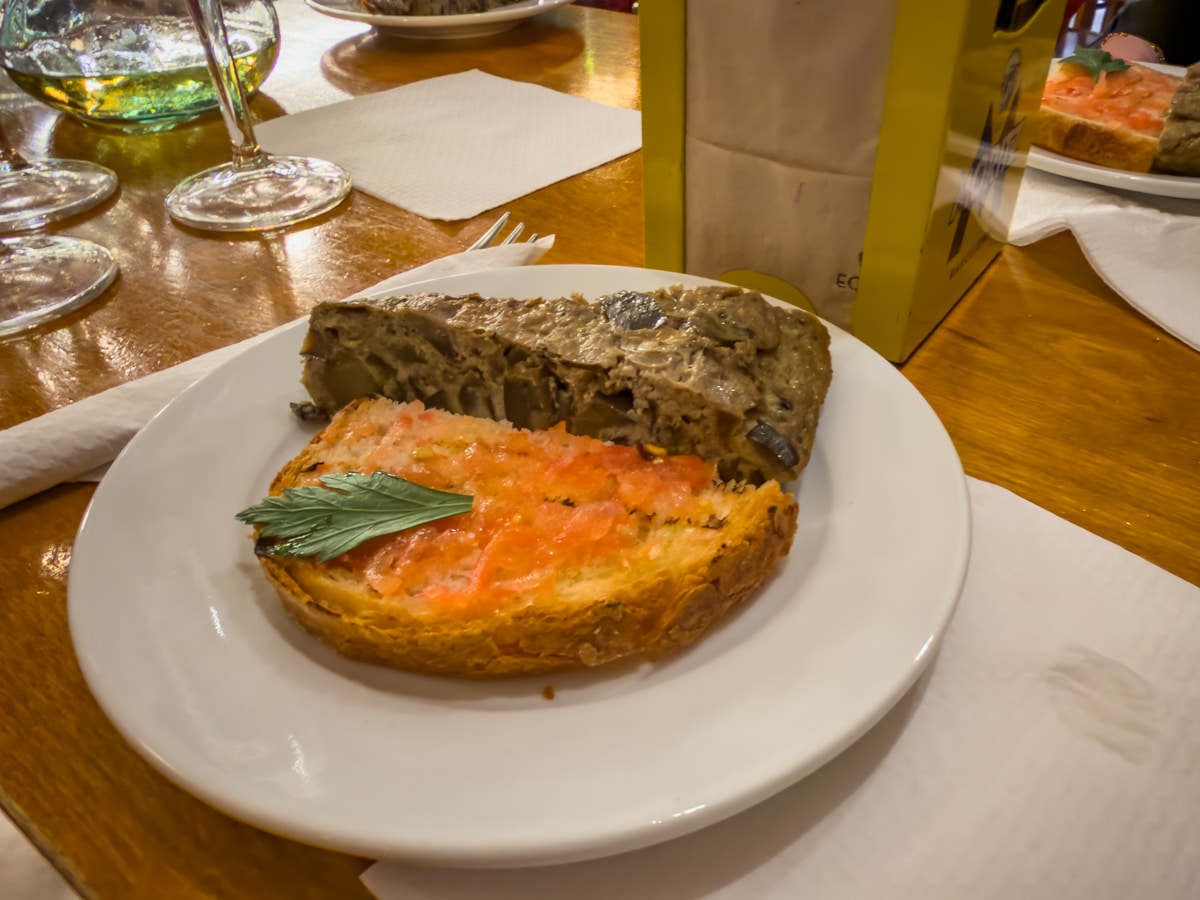
Alongside it, we try a creamy tortilla with a twist:
- A classic tortilla de patatas concept
- Eggplant added for a softer, richer texture
Pinxtos: The Basque Cousin of Tapas
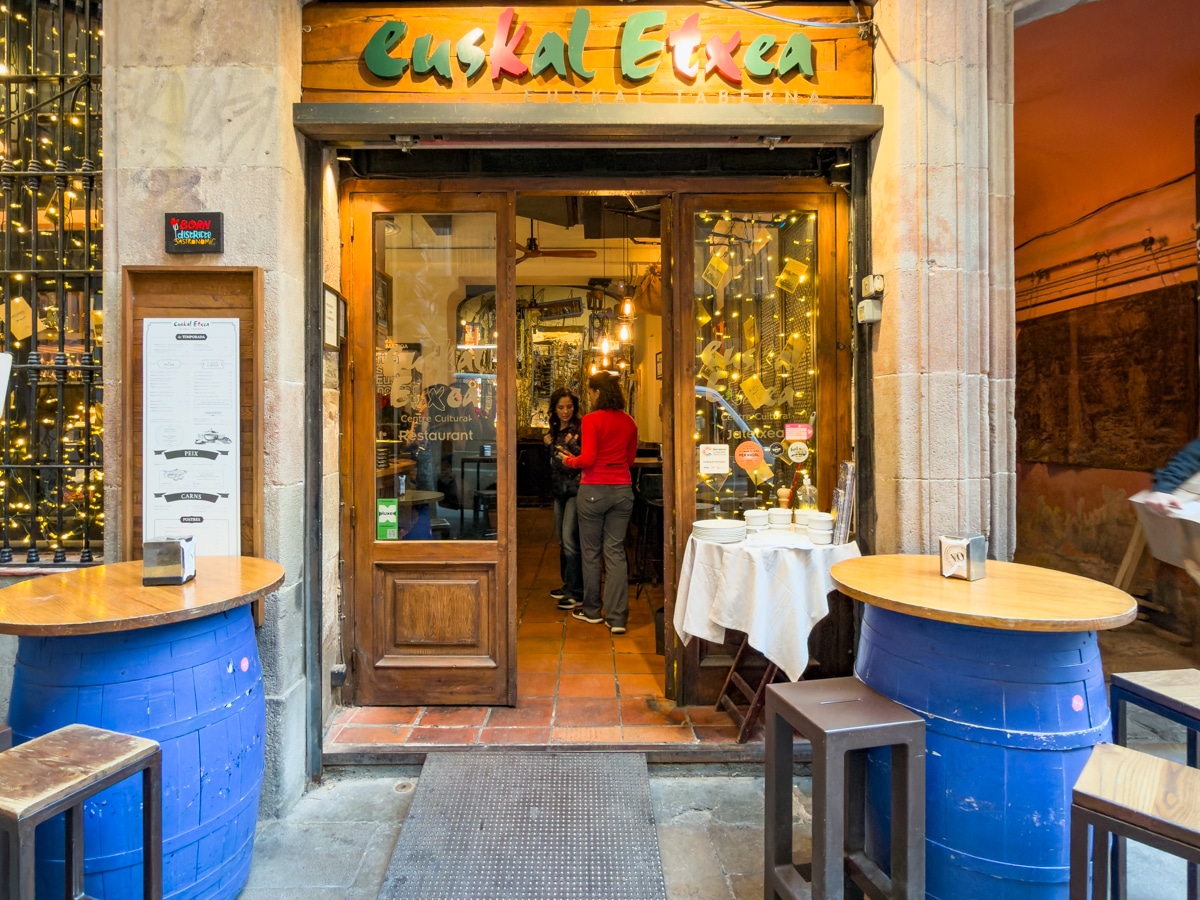
Next, we step into a Basque-style bar for pinxtos, Euskal Etxea Taberna. Petra explains the toothpick tradition and the “honor system” pricing. You pick what calls you, then the bar counts toothpicks at the end.
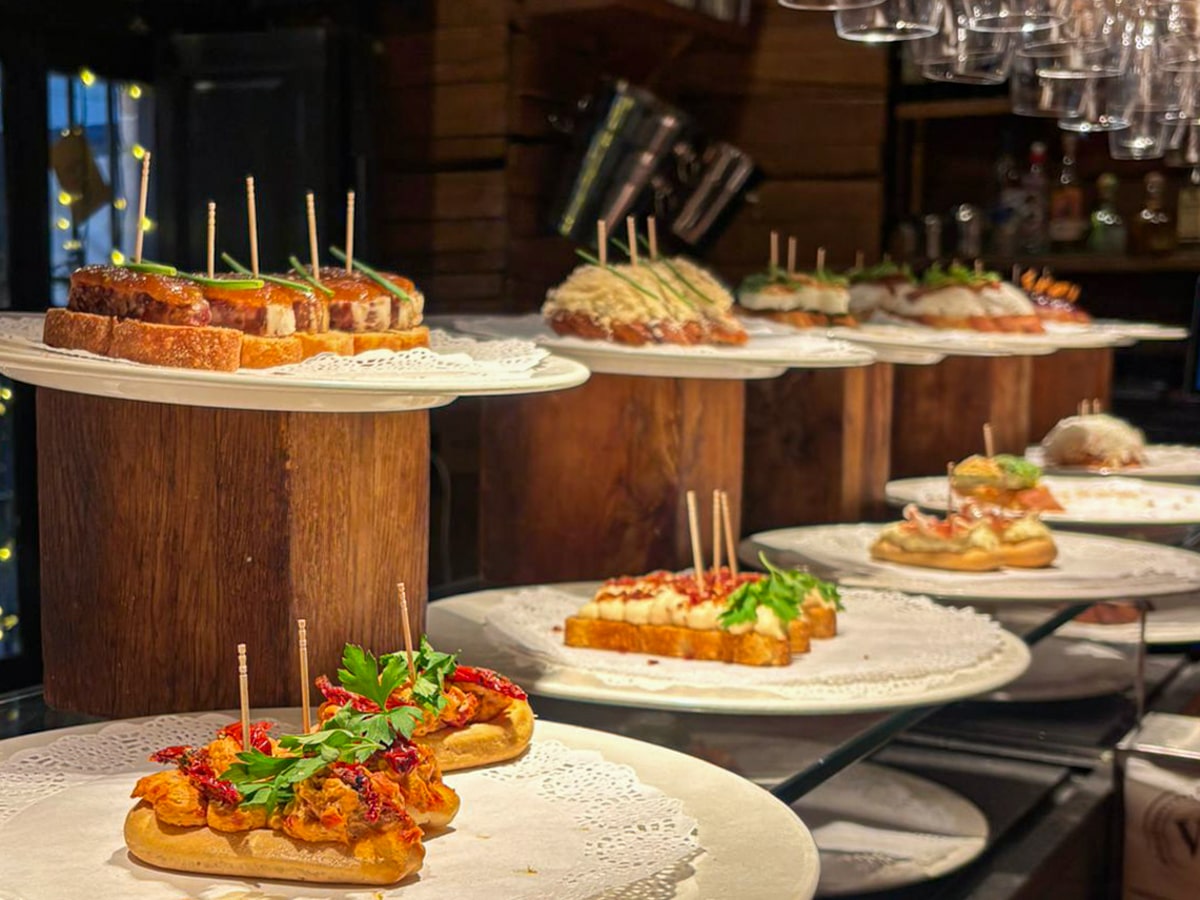
I scan the spread and spot options like:
- Gilda (anchovy, olive, pepper)
- Ham or salmon mousses
- Cheese bites topped with herbs or jam
- Crab salad tucked into tortilla-style bites
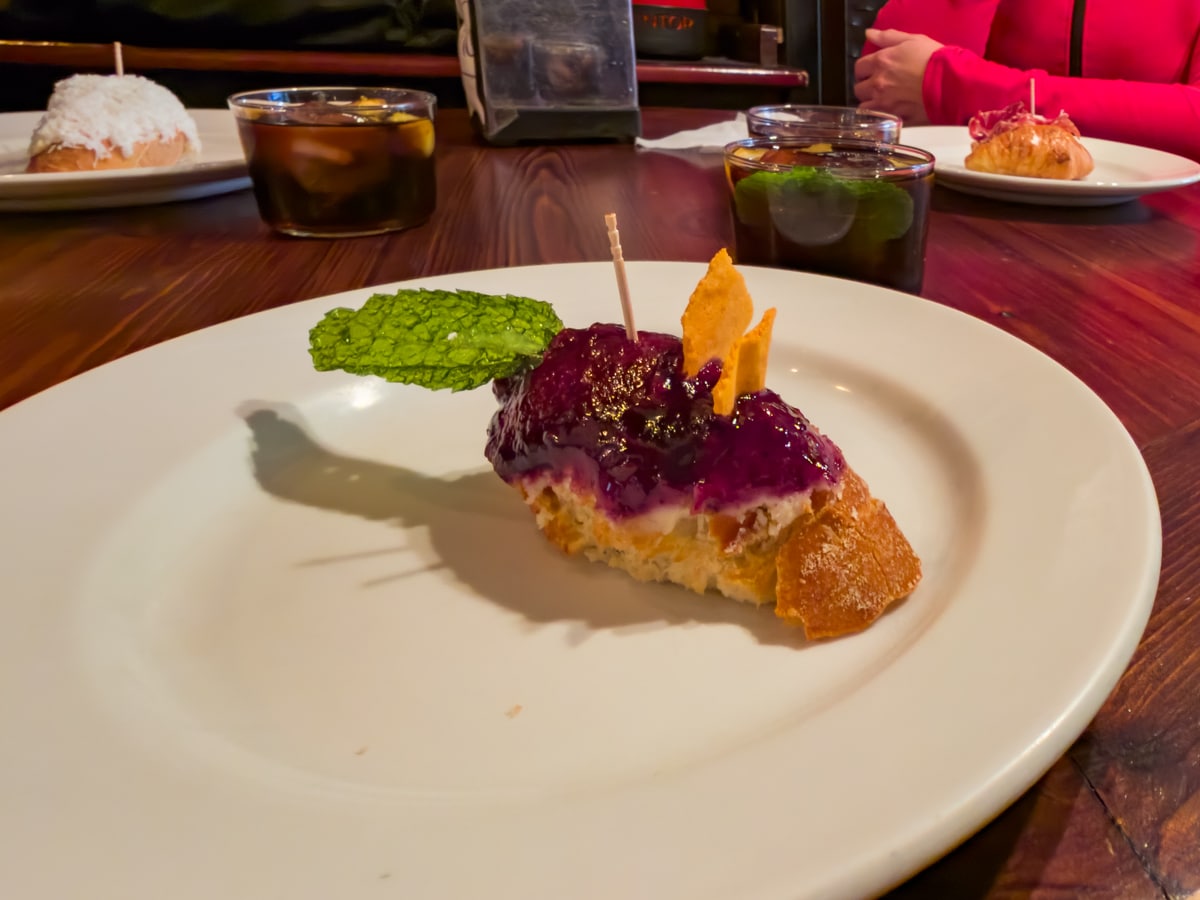
Petra also gives a quick, useful tapas lesson. Tapas were originally covers for drinking glasses, intended to slow alcohol consumption or keep bugs out of the drink. The custom evolved into a social experience in which diners have a drink and a bite while strolling the neighborhood. They stand at the bar, rather than sitting down to a traditional meal. One drink and one tapa at a bar, then move on. It’s social and shared.
Barceloneta’s Bomba
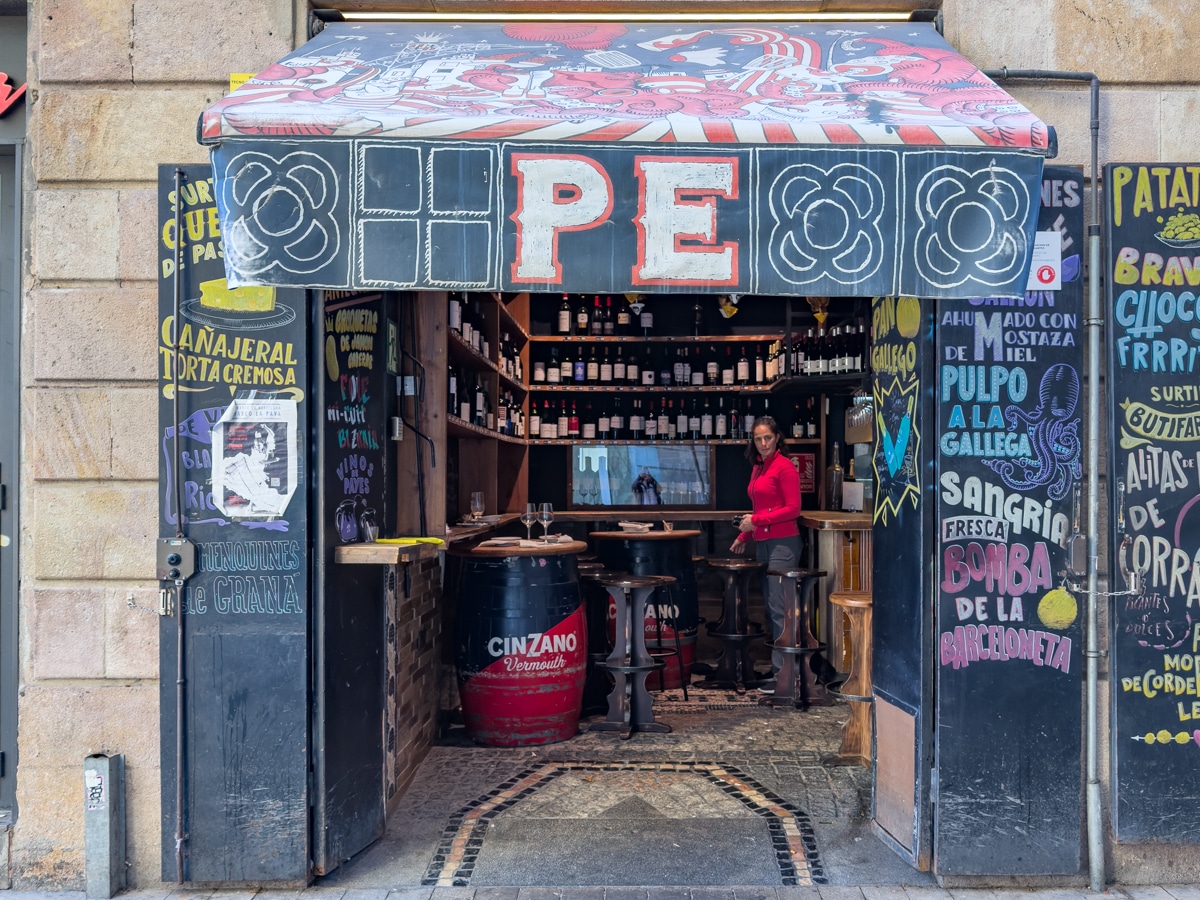
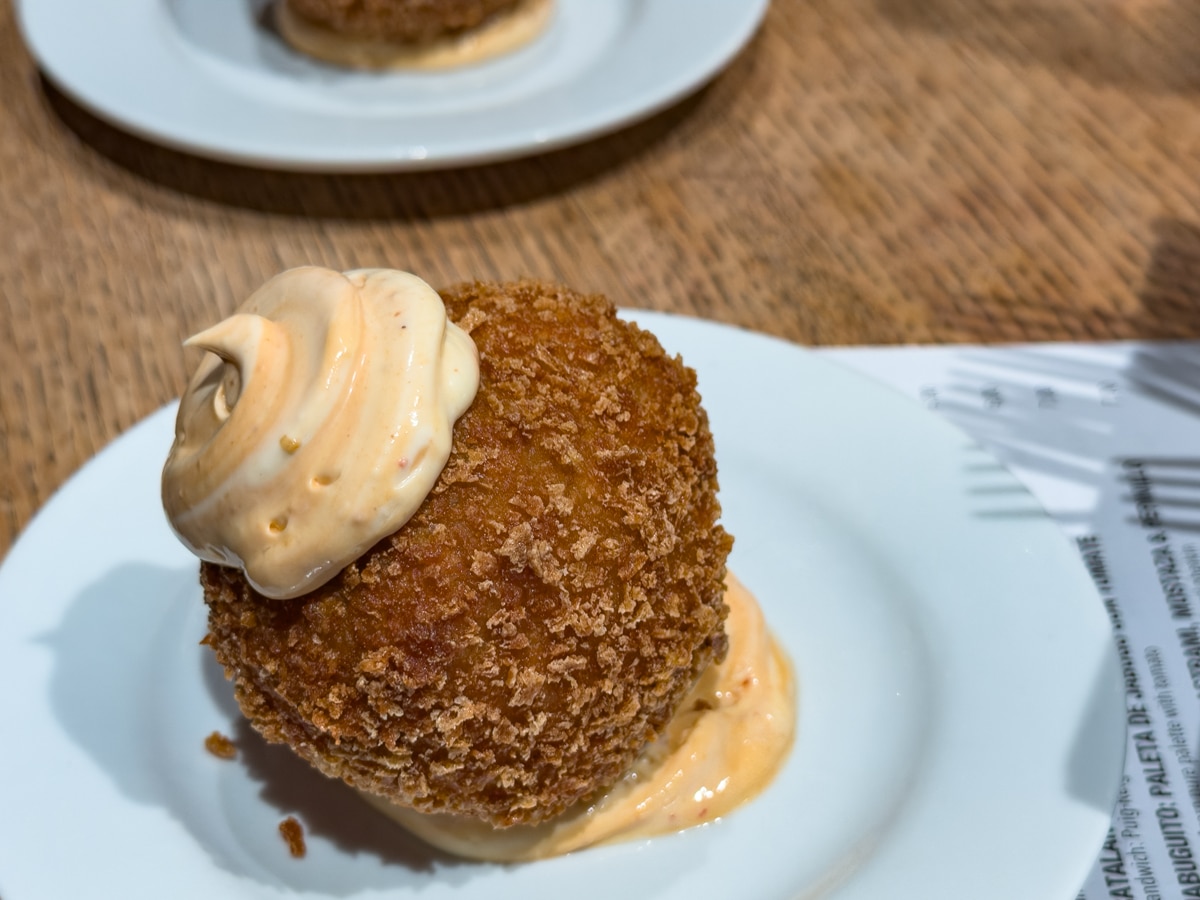
In Barceloneta, Petra introduces the bomba at Perikete: a deep-fried potato ball filled with seasoned meat. The dish tastes like comfort food with a proud local accent. It’s crispy on the outside, hearty on the inside, a little spicy, and built for hungry dockside neighborhoods.
Fideuà: Seafood Comfort with Noodles
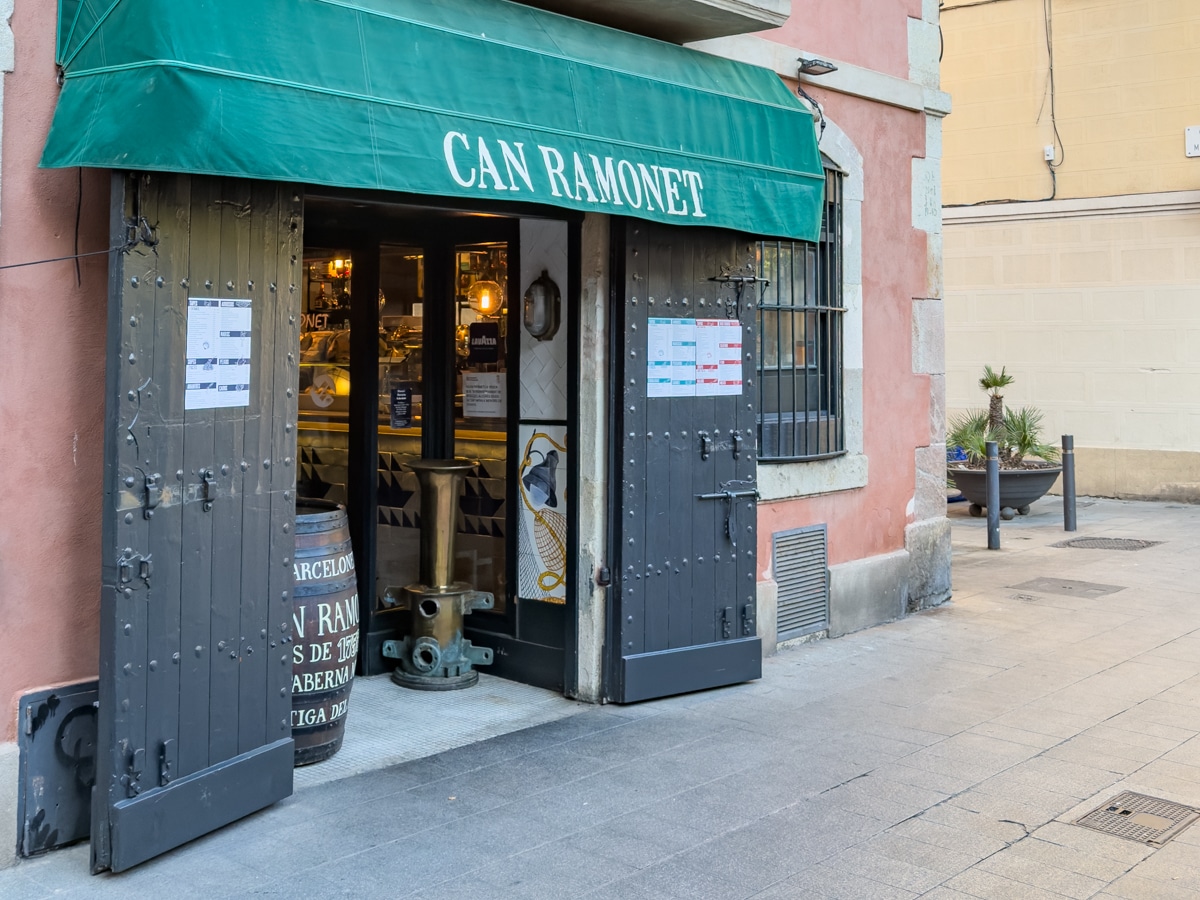
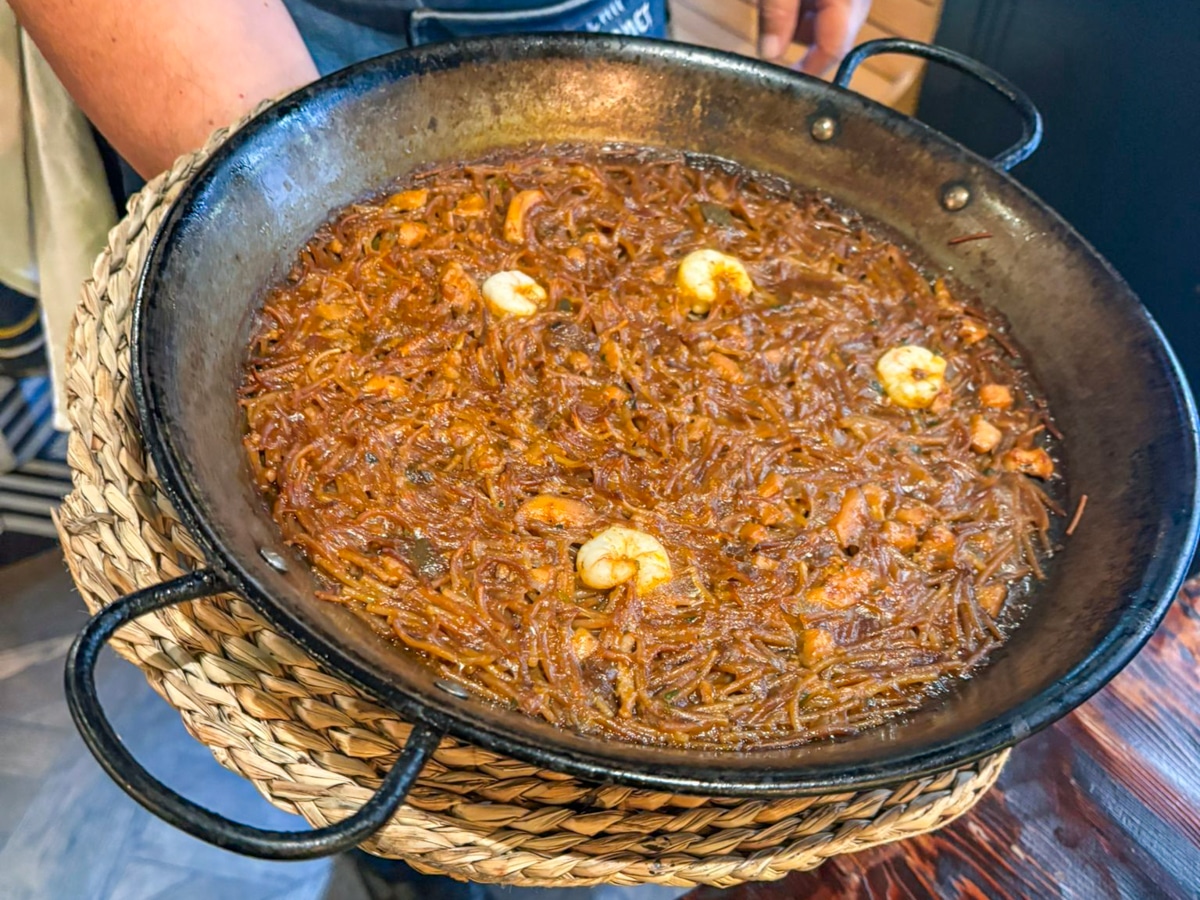
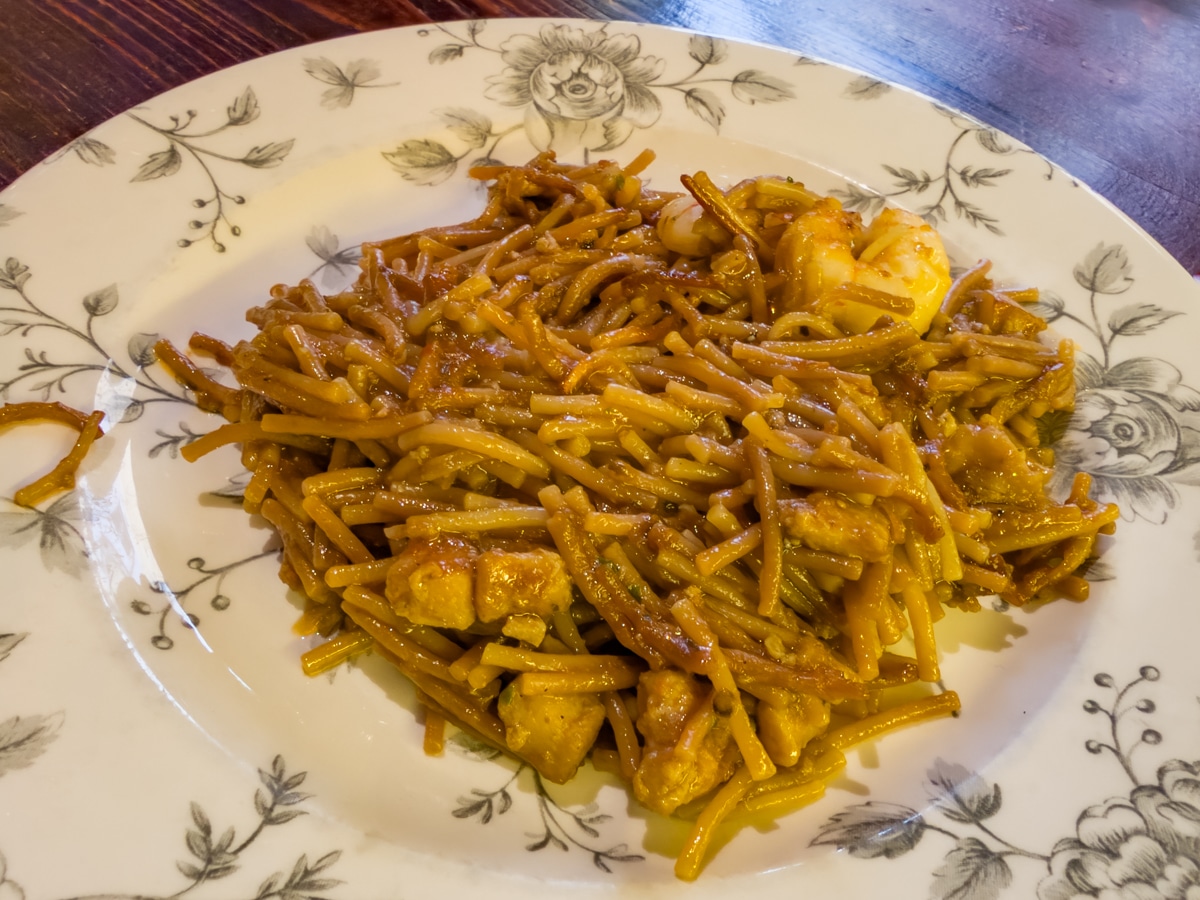
Later, I dig into fideuà at Can Ramonet (@ramonetdelabarceloneta) in Barceloneta, a coastal classic that swaps short noodles for rice and leans into seafood flavor. Think of it as paella’s noodle-loving Catalan cousin.
What We Drink: Vermut, Cava, and Catalan Wine
The Porró Moment
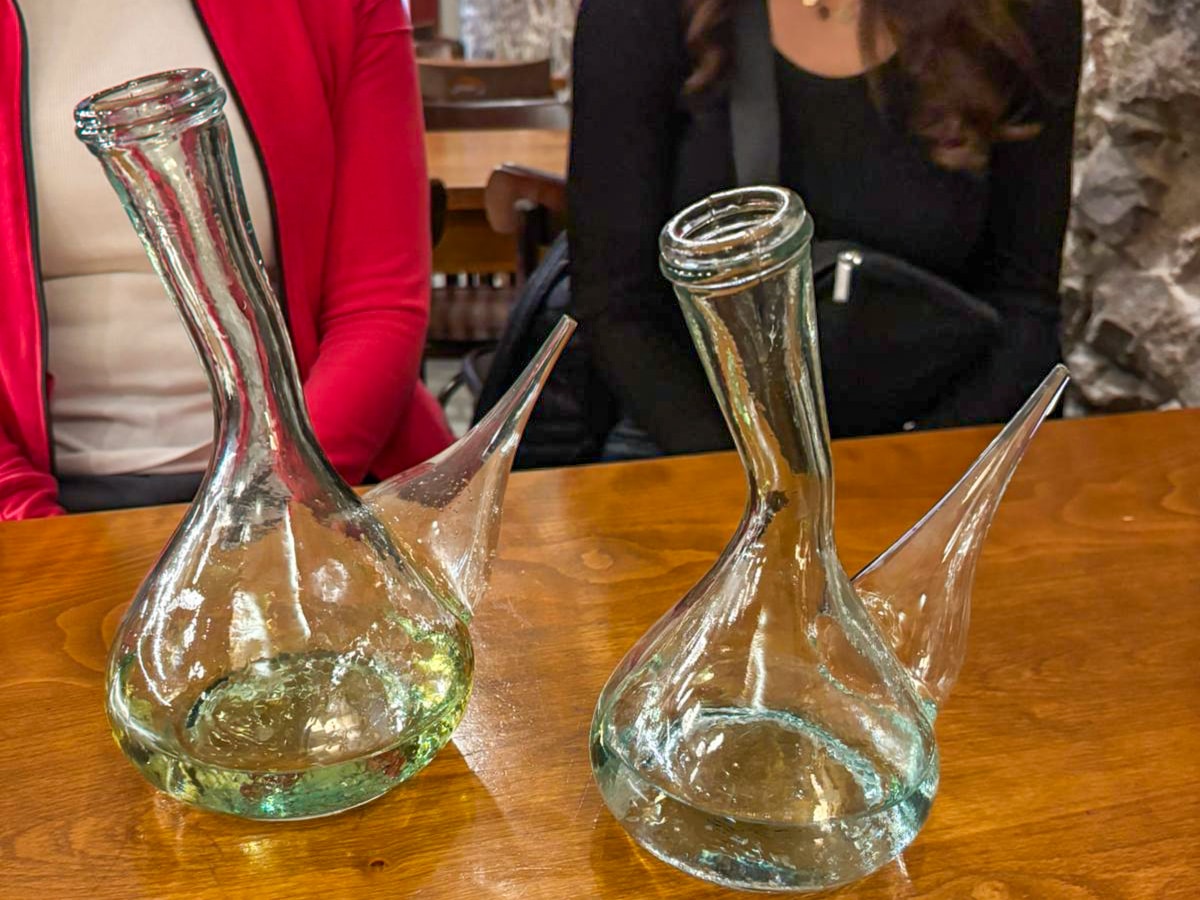
Petra pulls out a porró, a traditional Catalan wine pitcher designed for sharing without touching lips to the same bottle. She encourages confidence with her skill: start close, then stretch the stream. Our group at the table laughs, spills a little, and bonds fast. I wasn’t as daring because I didn’t want to spill a drop of the delicious wine.
A Light White Wine for Sipping
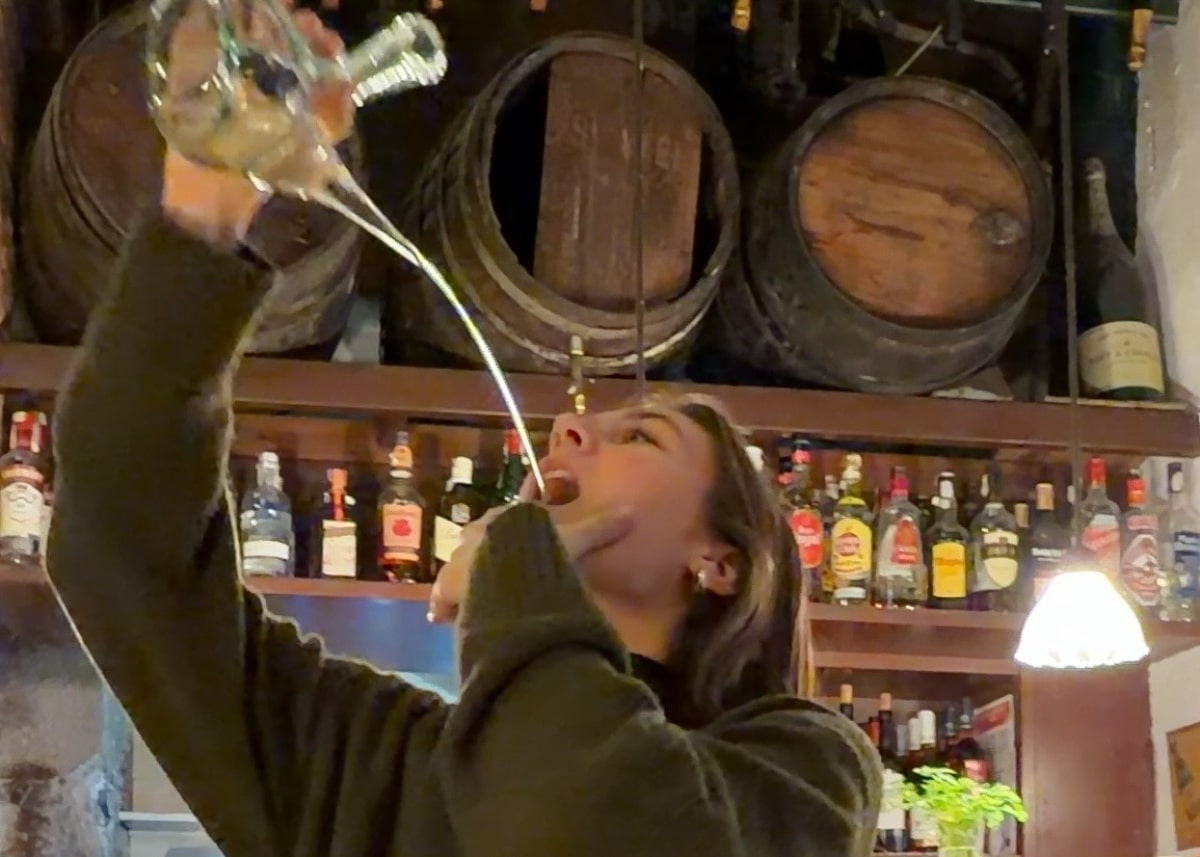
Petra pours Verdejo, a light white that drinks easily on a walking tour. She keeps the focus on Catalan producers throughout the tour.
Vermut, Spanish-style
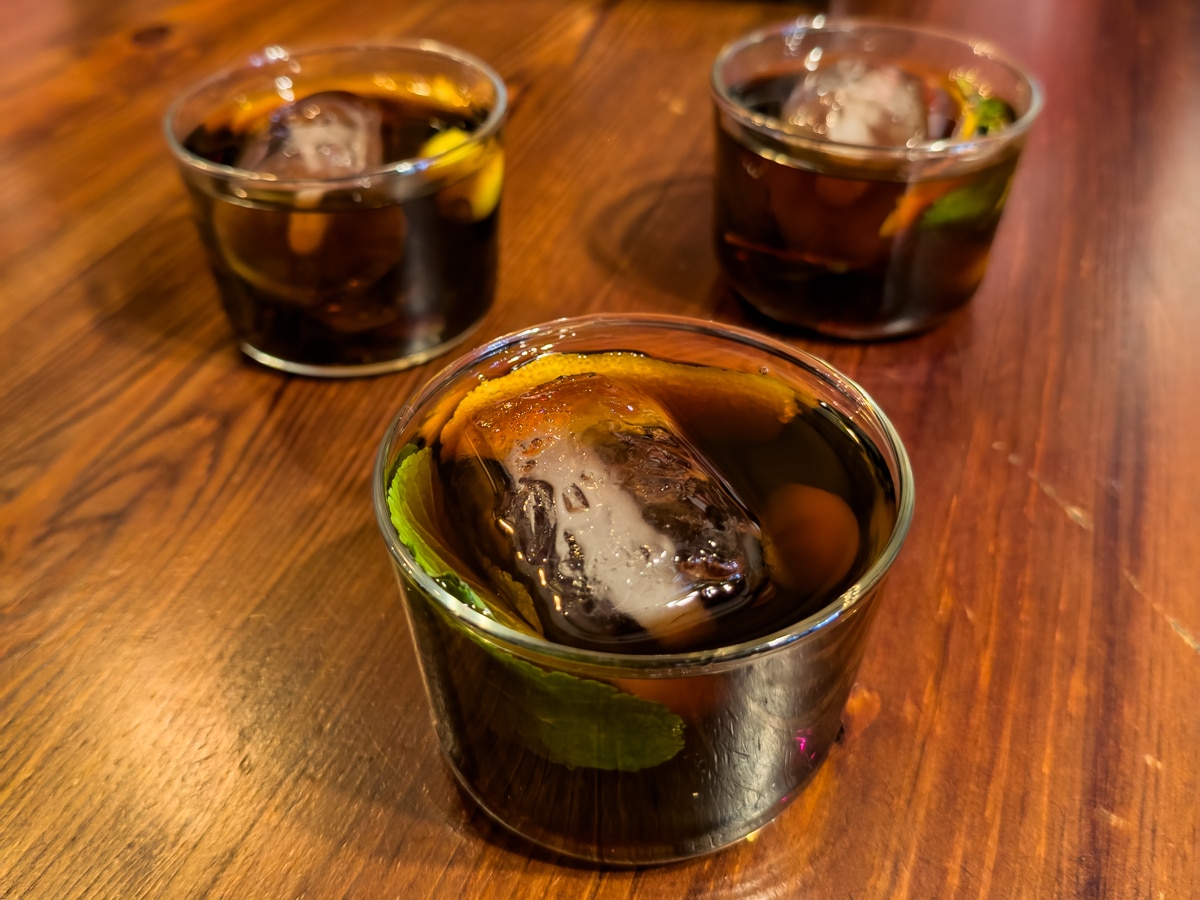
Then vermut takes center stage. Petra draws a clear line between Spanish sweet vermut and the dry vermouth many Americans know from martinis:
- Winemakers start with red wine, then infuse herbs and spices.
- Botanicals add layers (think chamomile, cinnamon, clove, star anise)
- Producers sweeten and lightly fortify it, then serve it over ice.
The vermut is served Basque-style as a marianito – over ice with orange rind, mint, and an anchovy-stuffed olive. The drink hits sweet up front, then finishes with a pleasant bitter edge that pairs well with salty snacks.
Petra also shares the locals’ ritual of drinking vermut before lunch for “vermouth hour,” a social pause for gossip, snacks, and slow conversation. Possibly as early as 11 am.
Cava for Sparkle
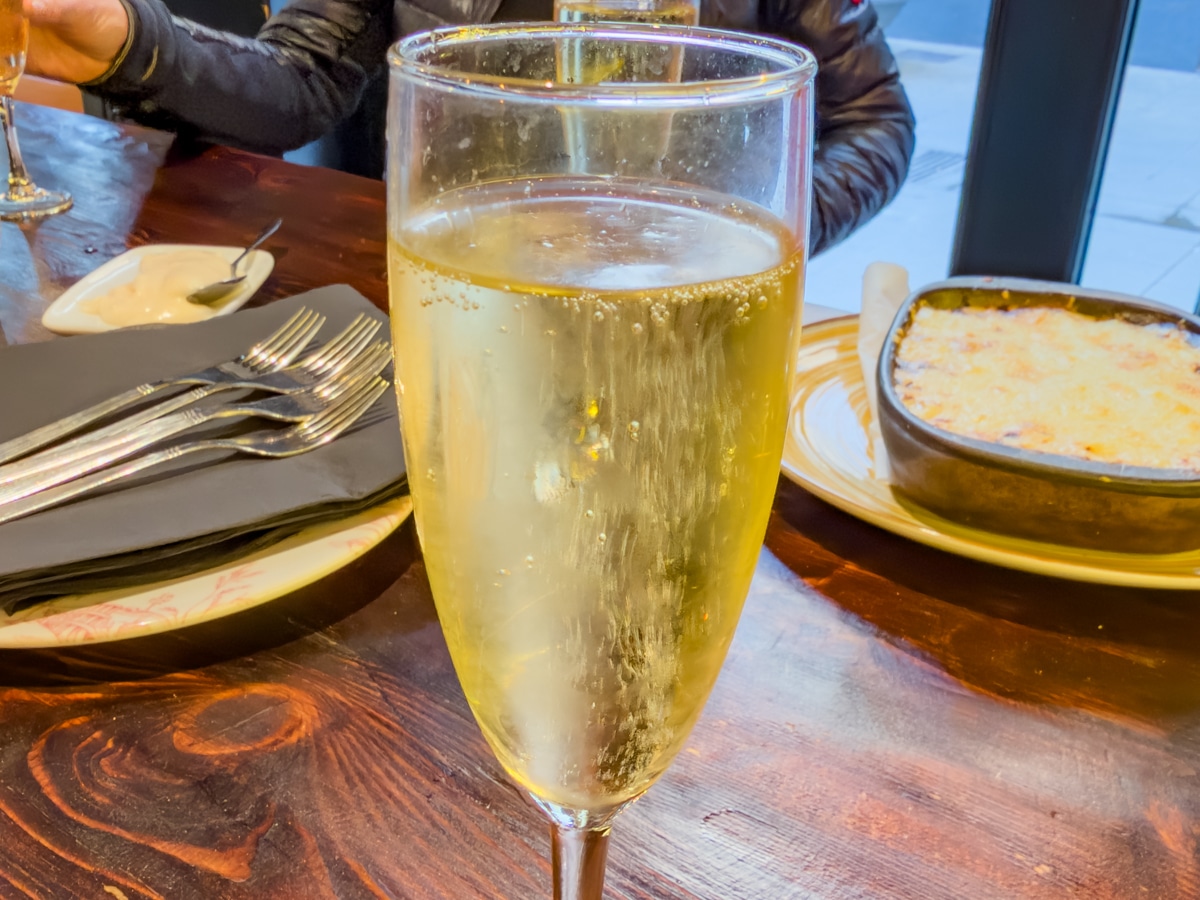
Cava adds a celebratory note with its bright bubbles that pair well with salty, briny bites or the fideuá brought to our table, hot from the stove.
Street-side History That Sticks
Between bites, Petra turns Barcelona into an open-air museum.
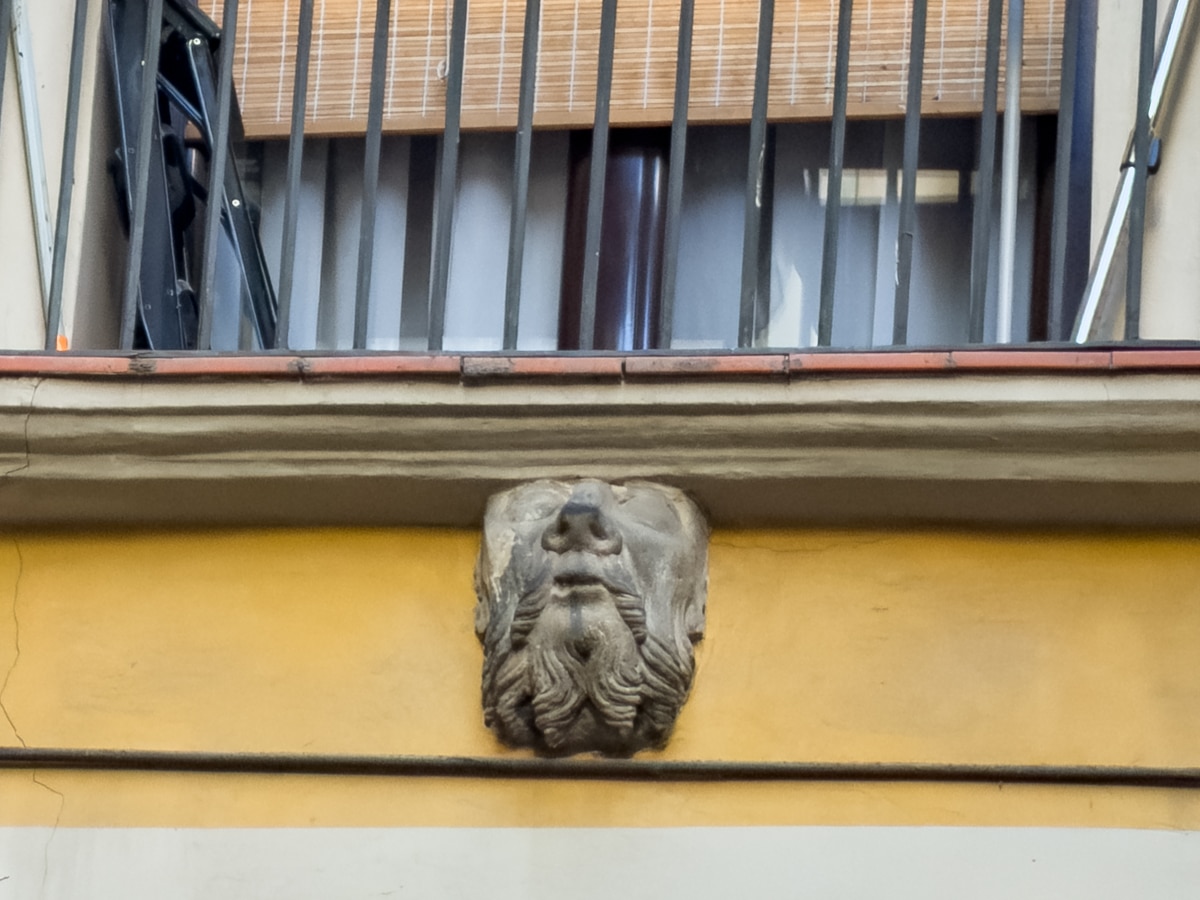
- She points out that El Born once served as a sailors’ pleasure district and that locals used subtle signs to mark hidden brothels.
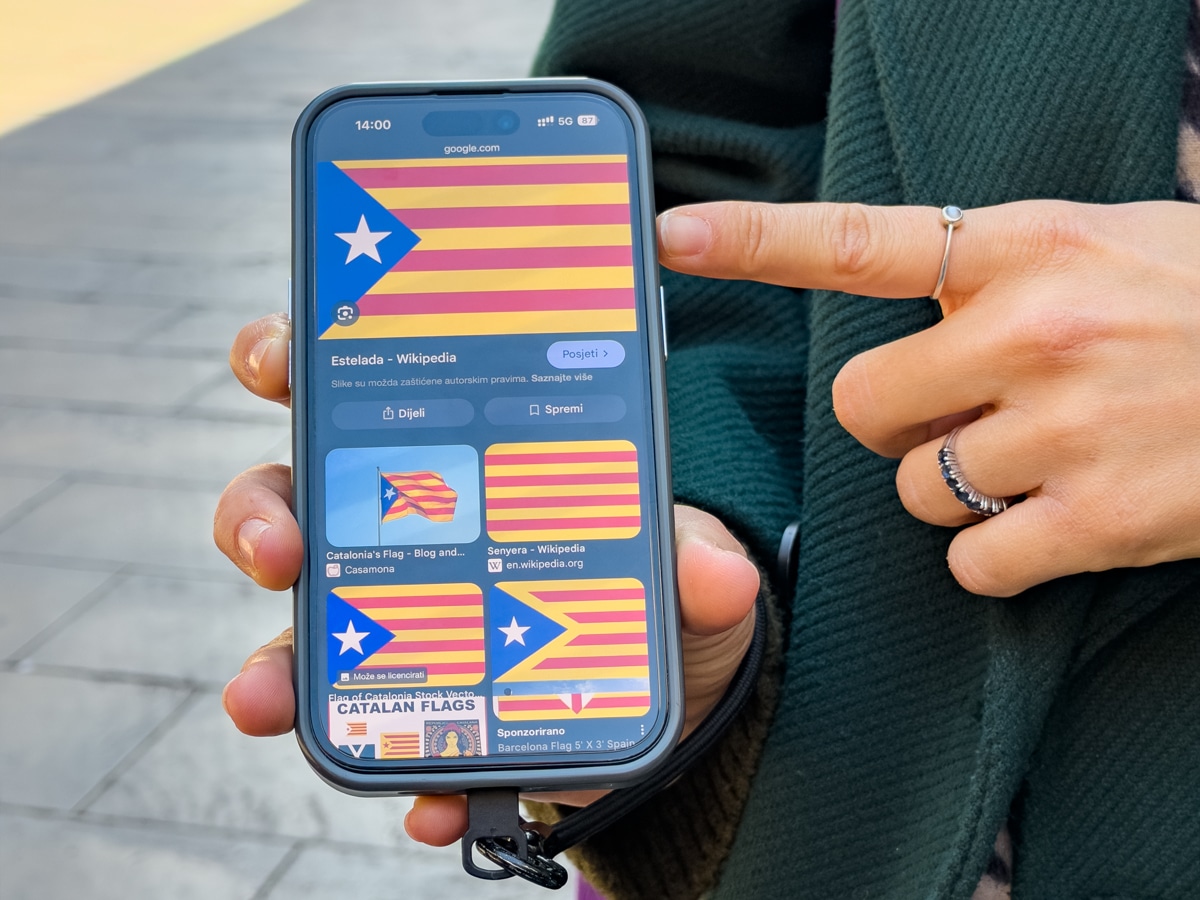
- She explains Catalan flags you’ll spot on balconies—some signal regional pride, others signal independence.
- She ties long political history to everyday streets, so the city feels lived-in, not textbook.
The Sweet Finish To Taste Barcelona
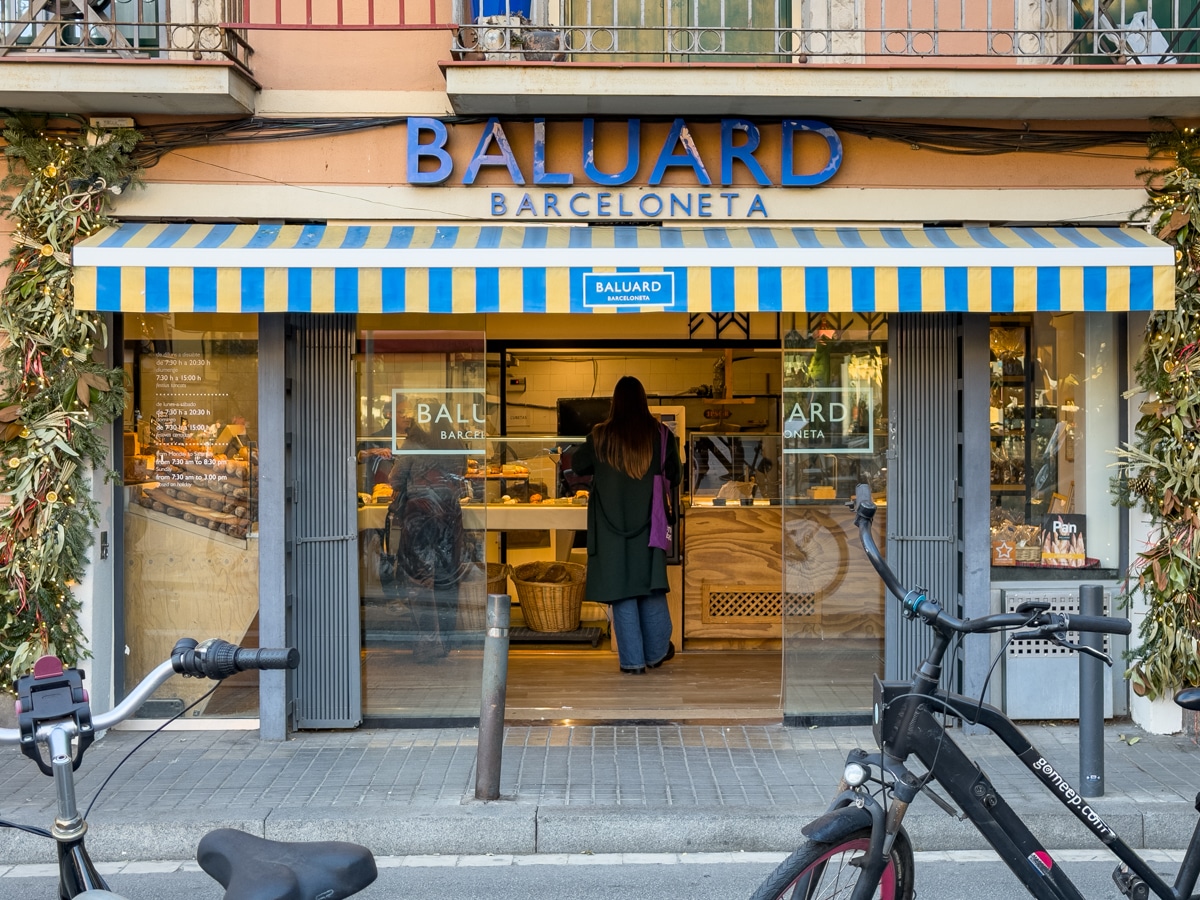
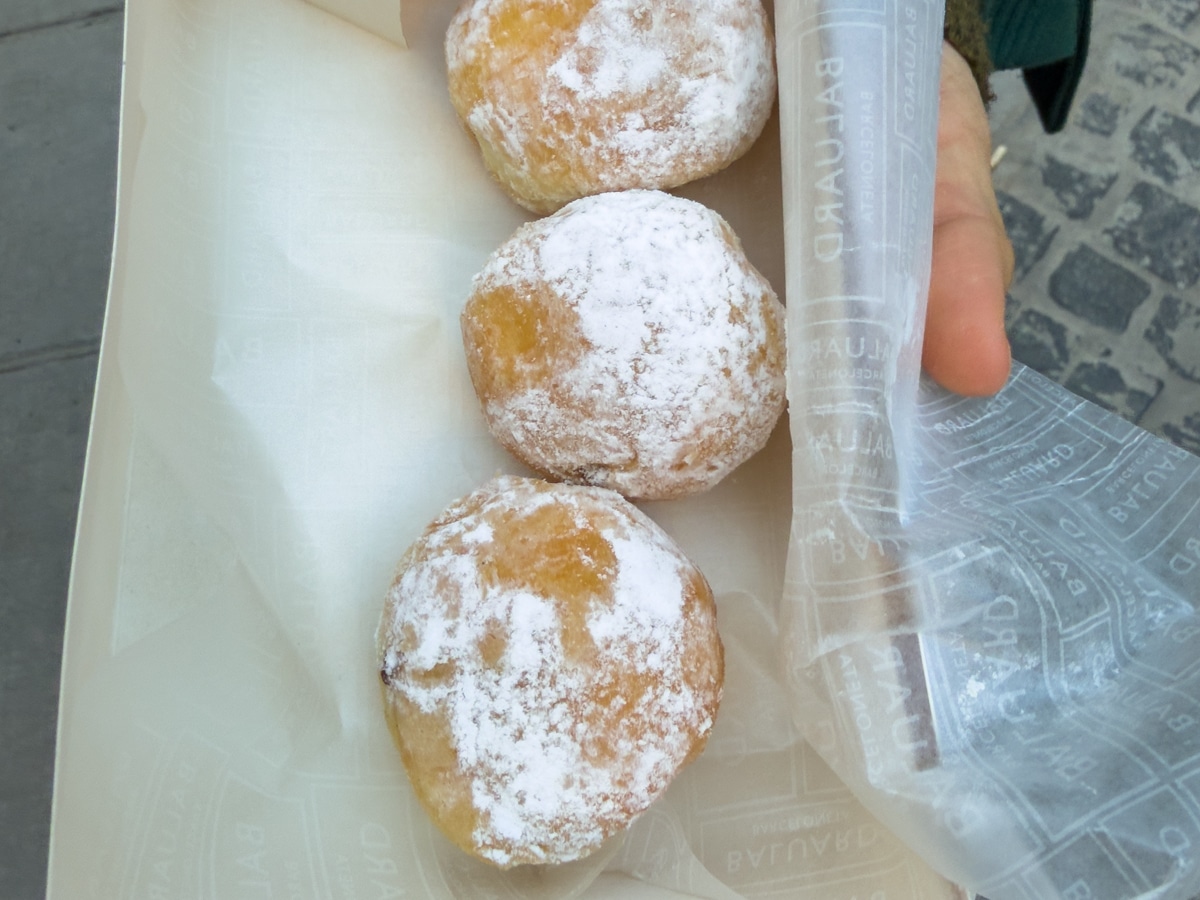
Just when I think we’ve hit the final savory note, Petra ends the tour with dessert. We stop at Baluard in Barceloneta and taste little round, sugar-covered donuts filled with chocolate. Warm, rich, and just the right size, they send me off with that happy, only-in-Barcelona feeling—salt on the breeze, chocolate on my tongue, and a city’s history still echoing in my head.
Why This Tour Works
Eating Europe keeps the tour moving without rushing. You taste enough to feel satisfied, you walk enough to earn it, and you learn enough to see Barcelona with sharper eyes.
If you enjoy history, great food, and a drink (or three), don’t miss this tour when you want to taste Barcelona. Eating Europe also offers food tours in other major European cities.
Do you have a favorite walking tour? Share it in the comments below.
Here’s another Gourmet Travel article that you might like.